



Quick Answer
- On Bluetooth speakers, headphones, or car stereos: Turn on Bluetooth on both your device and the speaker/headphones/car system, pair them, open the Tidal app, and start playing.
- If your device doesn’t have Bluetooth: Use a professional tool like AudKit Tidal Music Converter to download Tidal songs as standard audio files (MP3, FLAC, etc.), then transfer and play them offline on any device.
- Bluetooth can’t deliver Tidal HiFi or MQA quality losslessly; it always compresses audio. For the best fidelity, download the original files for offline playback.
Tidal is one of the best music streaming services for relaxing and listening to the best quality music. There are over a million tracks to choose from. There are already many devices that support the Tidal app. In addition, Tidal can be played on Bluetooth-enabled devices. This is a very handy feature just like Tidal Connect.
If you want to use Tidal over Bluetooth on a Bluetooth-enabled device, read on. Below we will show you how to play Tidal via Bluetooth functionality on Bluetooth headphones, speakers, or even in your car.
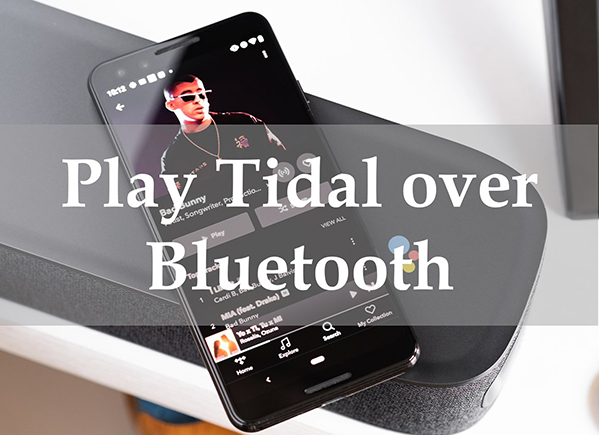
Part 1. How to Stream Tidal on Bluetooth Speaker
It is recognized that you can easily play Tidal on your Bluetooth speaker. After getting the Tidal app on your smartphone, tablet, iPad, or other devices, now let’s see how to play Tidal on a Bluetooth speaker.
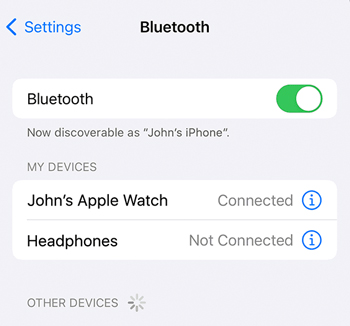
Step 1. Turn on your speaker and enable Bluetooth pairing mode (usually a dedicated button or a long press).
Step 2. On your phone or tablet, go to Settings > Bluetooth and switch it on. Find your speaker in the list and tap to pair.
Step 3. Launch the Tidal app, pick a track, and the sound will play through your Bluetooth speaker.
If you run into pairing issues, make sure the speaker is not already connected to another device and that both devices are within range.
Part 2. How to Play Tidal over Bluetooth Headphones
Bluetooth headphones let you enjoy Tidal hands‑free while exercising, driving, or working. The connection process is almost identical to pairing a speaker.
Step 1. On your smartphone, tablet, or computer, turn Bluetooth on from the system settings.
Step 2. Put your headphones into pairing mode. Most models enter pairing automatically when powered on, or you may need to hold a button until a light flashes.
Step 3. Wait for your headphones to appear in the Bluetooth list on your device, then tap to connect.
Step 4. Once paired, open the Tidal app and start a song. The audio will now stream to your headphones.
A quick tip: if your headphones support higher-quality codecs (like aptX or LDAC), you may still not be able to stream Tidal HiFi losslessly over Bluetooth, as the connection will compress the signal. For lossless listening, consider downloading the files offline (see Part 4).
Part 3. How to Play Tidal via Bluetooth in a Car
If your car model has Bluetooth built into the stereo, you can connect your phone and play Tidal via Bluetooth in your car. If your car does not have built-in Bluetooth, you can choose to install a universal Bluetooth car kit or a vehicle-specific Bluetooth adapter. Here are the stepwise guide to making it:
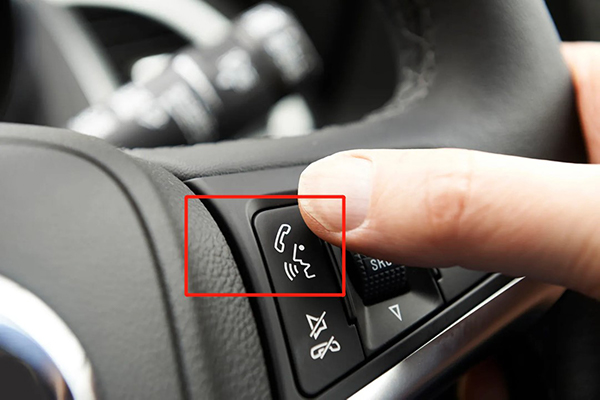
Step 1. Enable Bluetooth on your car stereo—either through the infotainment screen or a dedicated phone button.
Step 2. Turn on Bluetooth on your phone and make it discoverable.
Step 3. Initiate pairing from the car or phone; once the two connect, your phone will show it’s linked to the car audio system.
Step 4. Launch the Tidal app and start a playlist. The music automatically plays through the car’s sound system.
If you’d rather avoid Bluetooth compression in the car, you can download Tidal tracks as local files and play them via USB or an auxiliary input (which also helps preserve quality). For more car playback tips, see How to Play Tidal in Car.
Part 4. How to Play Tidal on Bluetooth Unsupported Devices
What if your favorite speaker, old stereo, or portable music player doesn’t support Bluetooth? You can still enjoy Tidal by downloading the songs as your own files and transferring them anywhere. That’s where AudKit Tidal Music Converter comes in.
Tidal’s built-in offline feature works only inside the Tidal app and requires a HiFi or HiFi Plus plan. Even then, the files are encrypted and can’t be used on external devices. AudKit Tidal Music Converter solves this by converting Tidal tracks into universal, plain audio formats like MP3, FLAC, AAC, and more—so they can be played on any hardware, Bluetooth or not.
Main Features of AudKit Tidal Music Converter
- Download Tidal music for offline playing on any device
- Play Tidal on other devices even doesn’t support Bluetooth
- Convert Tidal music to MP3, FLAC, AAC, M4A, M4B, etc.
- Up to 5X faster download and conversion speed
How to Play Tidal on the Devices which don’t Support Bluetooth:
Step 1 Add Tidal songs to AudKit Tidal Downloader
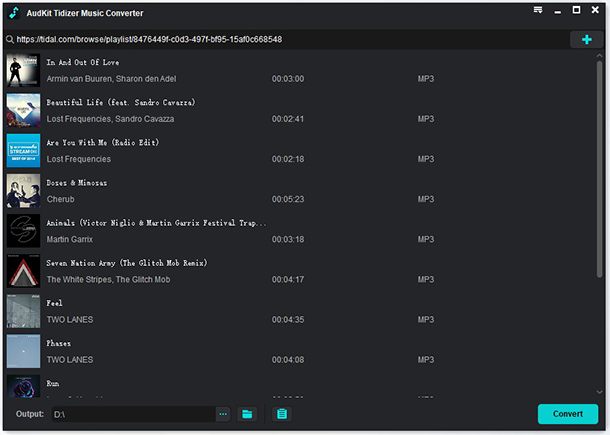
Drag and drop the songs you want to download from Tidal to this downloader. You can also copy and paste the song’s link into the address bar of this downloader, then just click on the + icon to add them.
Step 2 Reset the Tidal output format as MP3
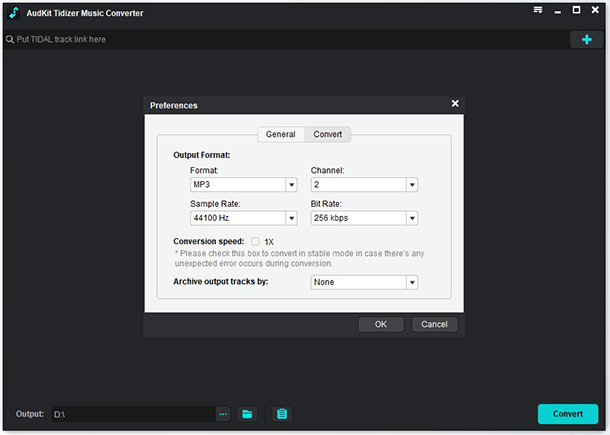
AudKit Tidal Converter allows you to change the output format and do other output settings. Click on the menu icon and then choose the Preferences option. This will show you a new window, in which you need to select the Convert tab. Here you can reset the output format to MP3 because it is the most common-used audio format.
Step 3 Download Tidal songs for listening without Bluetooth
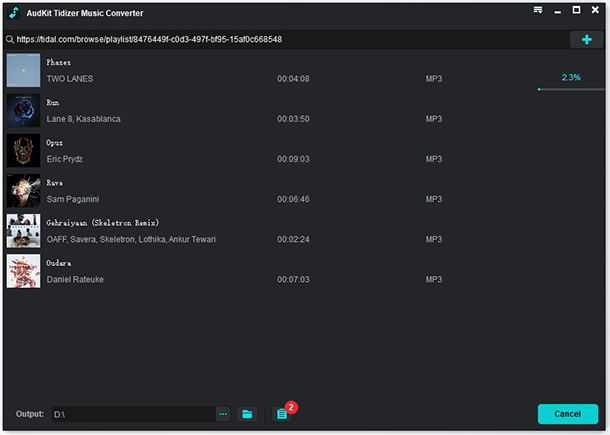
To launch the download process, you just need to click on the Convert button at the bottom right of the AudKit Tidal Downloader. After downloading, you can get the Tidal offline songs on your computer’s local folder. You can listen to Tidal music offline as well as transfer the downloads to other devices for listening without Bluetooth.
Part 5. FAQs about Tidal Bluetooth
Q1. Does Tidal HiFi work on Bluetooth?
No. Bluetooth always compresses audio to transmit it wirelessly, so you cannot stream true Tidal HiFi or MQA quality over a Bluetooth connection. If lossless high‑res is your priority, use a wired connection, Tidal Connect on supported devices, or download the original‑quality files with a tool like AudKit Tidal Music Converter for offline playback.
Q2. What is Tidal Bluetooth quality?
When you stream Tidal over Bluetooth, the audio is re‑encoded using a lossy codec such as SBC, AAC, or aptX. While the source may be 44.1/16-bit FLAC, Bluetooth transmission typically reduces the bitrate to around 128–256 kbps (depending on the codec). This means you lose the full detail and dynamic range of HiFi tracks. If you want to keep the original sound, downloading your Tidal library as FLAC or WAV with AudKit Tidal Music Converter and playing the files locally (or via a wired connection) gives you bit‑perfect audio.
Q3. My Tidal doesn’t play over Bluetooth, what should I do?
Try these troubleshooting steps:
- Make sure both devices are paired correctly and within range.
- Check that the volume on your device and on the Bluetooth accessory is turned up.
- Confirm the audio output is set to your Bluetooth device (not the internal speaker).
- Update the Tidal app to the latest version.
- Uninstall Tidal and reinstall it from the official store.
- Restart both your phone/tablet and the Bluetooth device, then repair.
Conclusion
Playing Tidal over Bluetooth on a speaker, headphones, or in the car is quick and easy—just pair and play. When you’re dealing with a device that doesn’t feature Bluetooth, the solution is to download your Tidal music as standard, portable files. AudKit Tidal Music Converter makes this possible by converting Tidal tracks to MP3, FLAC, and other common formats, so you can listen offline on absolutely any device you own.

Elle Johnson
 Staff Editor
Elle Johnson has been working in the technology and music software field for over 5 years. She is dedicated to providing easy-to-use guides and effective tips to play music anywhere.